Understanding Jueteng: A Closer Look at the Numbers Game
Jueteng is a form of illegal numbers game that has deep cultural roots in the Philippines. Originating during the Spanish colonial period, this grassroots gambling activity has intertwined itself with the fabric of Filipino society. Despite numerous government efforts to eradicate it, jueteng remains widespread due to its familial allure and complex socio-economic implications.
The Historical Roots of Jueteng
Jueteng's origins can be traced back to the Spanish colonial era, when this game first appeared in the many towns and provinces of the country. It shares similarities with lotteries but has evolved into a more localized and personalized form of gambling. Over time, jueteng has emerged not merely as a game but as a social activity embedded in the community's daily life.
How Jueteng is Played
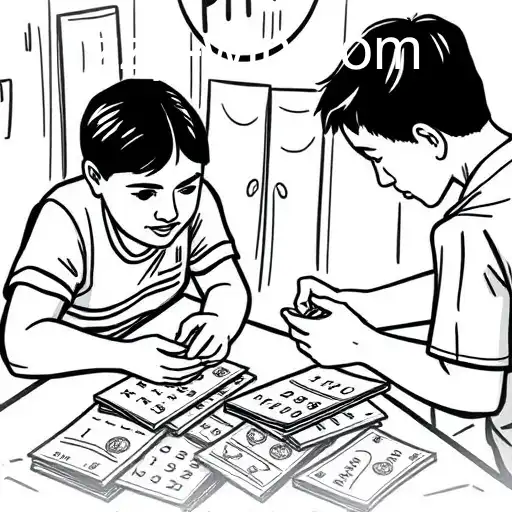
The game involves players selecting a pair of numbers from one to thirty-seven. Players then place bets on their selected numbers, hoping they will be drawn. Bets are usually collected by cobradores or collectors, who submit these to the kabos or coordinators. The winning numbers are drawn using various methods, and those who placed the successful bets receive their payouts.
The Role of Jueteng in Society
Despite its illegal status, jueteng provides an economic outlet for many. For bettors, the potential to turn small amounts of money into significant winnings makes it a tantalizing prospect. Furthermore, for those involved in its operations, jueteng offers a source of income that can be more lucrative than many legitimate occupations.
The dynamics of jueteng create a chain of economic activity within the communities it touches. It can be viewed as a parallel economy where money circulates among players, operators, and coordinators, each benefiting from the system.
Political Ties and Corruption
Jueteng is infamous for its connections to political corruption in the Philippines. Many local and national government officials have been implicated in jueteng scandals. These officials often turn a blind eye or actively protect jueteng operations in exchange for political and financial kickbacks. This deeply rooted link between jueteng and politics underscores the challenges faced in its eradication.
Jueteng and the Code "zzpwin"
The code "zzpwin" appears to be part of jueteng's encrypted language used by operators and coordinators. Such codes are employed to maintain secrecy and discreet communication about operations, predominately through text messaging or online platforms. The advent of technology has enabled jueteng to adapt, allowing operators to continue operations despite law enforcement efforts.
This use of codes and technology exemplifies jueteng's capacity to evolve with time and circumstances. While the term "zzpwin" specifically may not be in widespread usage outside certain circles, it highlights the clever and clandestine methods used within jueteng's operations.
The Socio-Economic Implications of Jueteng
Critically examining jueteng's persistence reveals its dual role as both a vice and a lifeline. The game thrives in areas plagued by poverty and limited opportunities, offering locals a brief respite through the hope of winning big. It is a paradoxical element of society, reflecting the inequities and struggles within the community.
For many Filipinos, jueteng serves as a cultural touchstone, a connective thread linking communities through shared hopes and dreams despite the unfavorable odds. The networks and loyalty developed within these tight-knit gambling circles further illustrate reasons for jueteng's resilience.
Challenges in Eradicating Jueteng
Efforts to eradicate jueteng face numerous challenges. Law enforcement initiatives are frequently undermined by the societal acceptance of the game and its deep-rooted connections with influential figures. Moreover, the economic dependence of many communities on the income and excitement generated by jueteng complicates advocacy against it.
The challenge to combat jueteng effectively requires comprehensive strategies that address not just the supply and operation but also the demand from communities and their economic limitations. Redirecting the focus towards empowering communities with alternative economic opportunities is essential to achieve a meaningful reduction in jueteng participation.
The Future Outlook of Jueteng and Society
The future of jueteng in the Philippines remains uncertain. As long as economic predicaments persist in rural and urban areas, jueteng will likely continue as a prevalent issue. However, increased awareness and modernized strategies could forge a path toward curbing its influence.
For those engaged in advocating against jueteng, the focus must shift towards transforming the socio-economic landscape that fuels its existence. The prospect of diminishing jueteng relies on sustained efforts to boost legitimate incomes, empowering communities, and constructing societal norms that discourage illegal gambling activities.